7 Things Indiana Homeowners Should Check Before Winter (And What Their Insurance May Not Cover)


Winter Home Preparation Tips for Homeowners in Noblesville, Carmel, Fishers, Westfield, Zionsville, and Throughout Central Indiana
Fall in Indiana is a beautiful time of year. The temperatures cool down, trees turn brilliant shades of orange and gold, and neighborhoods throughout Hamilton County begin preparing for the holidays.
But while you're enjoying football games, bonfires, and the changing leaves, there's something else worth thinking about: Is your home ready for another Indiana winter?
Between freezing temperatures, heavy snow, ice storms, and unpredictable weather, winter can create some expensive surprises for homeowners.
And here's something many people don't realize until they experience a loss:
Just because something happens to your home during winter doesn't automatically mean your homeowners insurance will cover it.
At Trusted Horizon Insurance, we believe protecting your home means understanding your coverage before something goes wrong.
Here are seven things Indiana homeowners should check before winter arrives.
1. Inspect Your Roof Before Snow and Ice Arrive
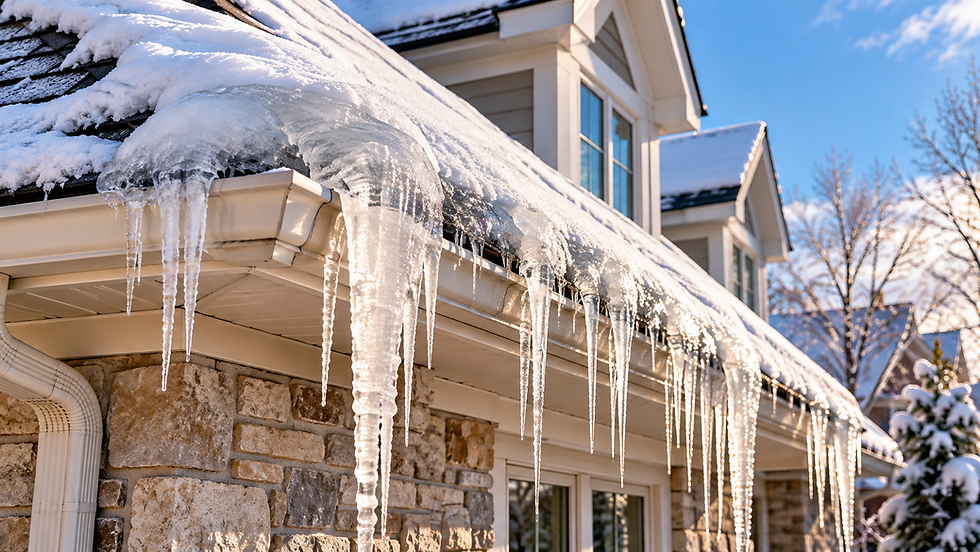
Your roof is one of your home's most important defenses against Indiana weather.
Over time, shingles can become loose, flashing can deteriorate, and small leaks can develop without homeowners noticing.
When snow and ice arrive, those minor issues can turn into major problems.
Before winter, consider checking for:
Missing, cracked, or curling shingles
Damaged flashing around chimneys and vents
Signs of water stains in your attic
Loose or clogged gutters
Tree branches hanging over your roof
Will homeowners insurance cover winter roof damage?
It depends on what caused the damage.
Homeowners insurance may cover sudden and accidental damage caused by covered events, such as certain windstorms or the weight of snow and ice.
However, damage caused by ordinary wear and tear, deterioration, or neglected maintenance is generally excluded.
The important distinction: Insurance is designed to protect against covered losses, not replace routine home maintenance.
If your roof is aging, now is a good time to understand how your insurance company handles roof claims, including whether your policy provides replacement cost or actual cash value coverage.
2. Protect Your Pipes From Freezing
Few winter surprises are as frustrating as discovering a frozen pipe.
When water freezes inside a pipe, it expands. That pressure can cause the pipe to burst, potentially releasing hundreds of gallons of water into your home.
The resulting damage can affect drywall, flooring, cabinets, insulation, and personal belongings.
Indiana homeowners should pay special attention to pipes located in:
Unheated garages
Crawl spaces
Exterior walls
Basements
Attics
Cabinets along outside walls
How can you prevent frozen pipes?
Keep your home heated, insulate vulnerable pipes, disconnect outdoor hoses, and consider opening cabinet doors during extremely cold weather to allow warm air to circulate.
If you're leaving town during winter, don't simply turn off the heat to save money.
Does homeowners insurance cover burst pipes?
Many homeowners policies cover sudden and accidental water damage resulting from a frozen or burst pipe.
However, coverage may depend on whether you took reasonable precautions to maintain heat or shut off and drain the water system, especially when the home is vacant or unoccupied.
The cost to repair the damaged pipe itself may also be treated differently from the resulting water damage.
A small amount of prevention today could help avoid a very expensive winter headache.
3. Clean Your Gutters and Watch for Ice Dams
Autumn leaves look beautiful scattered across your yard.
Inside your gutters? Not so much.
When gutters become clogged with leaves and debris, melting snow and rainwater may have difficulty draining away from your roof.
During freezing temperatures, this can contribute to ice dams.
An ice dam forms when melted snow refreezes near the edge of a roof, potentially allowing water to back up beneath roofing materials.
That water can eventually find its way into ceilings, walls, and insulation.
Is ice dam damage covered by homeowners insurance?
Some homeowners policies cover certain resulting interior water damage caused by ice dams, but coverage varies.
Insurers may distinguish between sudden damage from a covered event and problems related to deterioration, inadequate maintenance, or repeated water intrusion.
Preventing ice dams can involve more than cleaning gutters. Proper attic insulation, ventilation, and air sealing are also important.
Before temperatures drop, consider having your gutters cleaned and checking your attic for signs of moisture.
4. Check Your Sump Pump and Water Backup Coverage
Many homes throughout Noblesville, Fishers, Carmel, and surrounding communities have basements, including finished basements used as family rooms, home offices, or entertainment spaces.
These areas can contain thousands of dollars in flooring, furniture, electronics, and personal belongings.
One unexpected sump pump failure could create a significant financial problem.
Here's the insurance issue many homeowners overlook.
Standard homeowners insurance generally does not cover water that backs up through sewers or drains or overflows from a sump pump.
This protection is commonly available through an optional endorsement known as water backup coverage.

Depending on the insurance company, you may be able to choose different coverage limits.
For example, a homeowner with an unfinished basement may have different coverage needs than someone with a beautifully finished basement containing expensive flooring, furniture, and electronics.
And remember: water backup coverage is not the same as flood insurance.
Before winter, check these items:
Test your sump pump.
Make sure the discharge line is clear and properly directed away from your foundation.
Consider installing a battery backup system.
Review the water backup limit on your homeowners policy.
At Trusted Horizon Insurance, this is one of the coverages we encourage homeowners to understand before they need it.
5. Inspect Your Furnace, Fireplace, and Heating Systems
When temperatures fall below freezing, your home's heating system becomes essential.
A furnace that fails during a cold Indiana night can quickly create uncomfortable—and potentially dangerous—conditions.
Before winter arrives, schedule routine heating-system maintenance and replace dirty air filters.
If your home has a fireplace or wood-burning stove, consider having the chimney professionally inspected and cleaned.
It's also a good time to test smoke alarms and carbon monoxide detectors.
Does homeowners insurance cover heating system breakdowns?
A standard homeowners policy generally does not pay to replace a furnace simply because it wears out or mechanically fails.
However, some insurers offer optional equipment breakdown coverage that may protect against certain qualifying mechanical or electrical breakdowns.
If a covered fire damages your home, your homeowners policy may respond differently than it would to an ordinary furnace malfunction.
Knowing the difference is important.
Your homeowners insurance and your home's maintenance plan should work together—not be confused with each other.
6. Make Sure Your Home Is Insured for Today's Rebuilding Costs
Imagine your home suffers a major covered loss this winter.
Would your current dwelling coverage be enough to rebuild it?
This is one of the most important questions Indiana homeowners can ask.
Over time, the cost of construction materials, labor, and rebuilding can change significantly.
Yet many homeowners continue renewing the same insurance policy year after year without taking a closer look at their dwelling coverage.
Market value and replacement cost are not the same thing.
Your home's market value is what a buyer might pay for the property.
Replacement cost is an estimate of what it would cost to rebuild the insured structure using comparable materials and construction methods.
Those numbers can be very different.
For example, a home with a market value of $500,000 does not necessarily require exactly $500,000 in dwelling coverage.
The appropriate amount depends on the home's characteristics, construction costs, and the insurer's valuation method.
What should you review?
Your dwelling coverage limit
Any extended replacement cost protection
Inflation protection provisions
Coverage for recent renovations or additions
Special features such as custom finishes or finished basements

Some policies provide additional rebuilding protection, but the limits and requirements vary.
At Trusted Horizon Insurance, we believe homeowners should understand how their coverage is designed to respond—not simply compare the annual premium.
7. Review Your Homeowners Insurance Before the First Winter Storm
Here's the final item on our winter preparation checklist, and it might be the most overlooked.
When was the last time someone actually reviewed your homeowners insurance with
you?
Not just sent you a renewal notice.
Not just told you your premium increased.
But genuinely reviewed your coverage, explained important exclusions, and helped you determine whether your policy still fits your home and lifestyle.
Many homeowners purchase insurance when they buy their house and rarely revisit it.
But life changes.
Maybe you've:
Finished your basement
Installed a swimming pool or hot tub
Added a detached garage or shed
Renovated your kitchen
Purchased expensive furniture or electronics
Started working from home
Added a new driver or vehicle to your household
These changes may create reasons to review your coverage.
Winter is also a good time to understand your deductible, including whether your policy has a separate wind or hail deductible.
An inexpensive insurance policy isn't necessarily a good value if it leaves you surprised by a significant coverage limitation.
What Makes Indiana Winters Different?
Homeowners throughout Central Indiana experience a challenging combination of weather conditions.
Temperatures can fluctuate above and below freezing, sometimes within a short period.
Snow can melt during the day and refreeze overnight.
Strong winds, freezing rain, ice accumulation, and heavy snowfall can all place stress on homes.
And while a newer home in Westfield may have different maintenance concerns than an older home in Noblesville or Carmel, every homeowner benefits from understanding how their insurance responds to winter-related losses.
That's why preparing your property and reviewing your insurance should both be part of your fall routine.
Why Work With an Independent Insurance Agent?
When you purchase homeowners insurance directly from a single insurance company, you're generally limited to the coverage options and pricing available through that company.
An independent insurance agency offers a different approach.
At Trusted Horizon Insurance, we work with multiple insurance carriers, allowing us to compare options and help find coverage suited to your individual needs.
That can be particularly valuable when your home has unique features, you've made substantial improvements, or your insurance needs have changed.
We believe homeowners deserve more than a policy selected solely because it has the lowest price.
They deserve someone who takes the time to understand what they're protecting.
Protect Your Home Before Indiana Winter Arrives
Winter weather is inevitable in Indiana.
Expensive surprises don't always have to be.
Taking time to inspect your home, address maintenance concerns, and understand your insurance coverage can help you enter winter with greater confidence.
Whether you live in Noblesville, Carmel, Fishers, Westfield, Zionsville, or another Central Indiana community, Trusted Horizon Insurance is here to help you review your
homeowners coverage and explore your options.
Confidence isn't given — it's insured.
Ready for a Homeowners Insurance Review?
You don't have to wait until your next renewal to ask questions about your coverage.
Whether you're concerned about rising premiums, rebuilding costs, water backup coverage, or simply want another opinion, we'd welcome the opportunity to help.
Contact Trusted Horizon Insurance today and let's make sure your coverage is ready for whatever Indiana winter brings.
Trusted Horizon Insurance | Independent Insurance Agency Serving Hamilton County
and Central Indiana
Insurance coverage is subject to the terms, conditions, exclusions, deductibles, and limits of the individual policy. Coverage availability varies by insurance company. This article provides general educational information and does not guarantee coverage for any particular claim.